.png)
China and the United States battle to shape the minds of Nepali youth in Kathmandu

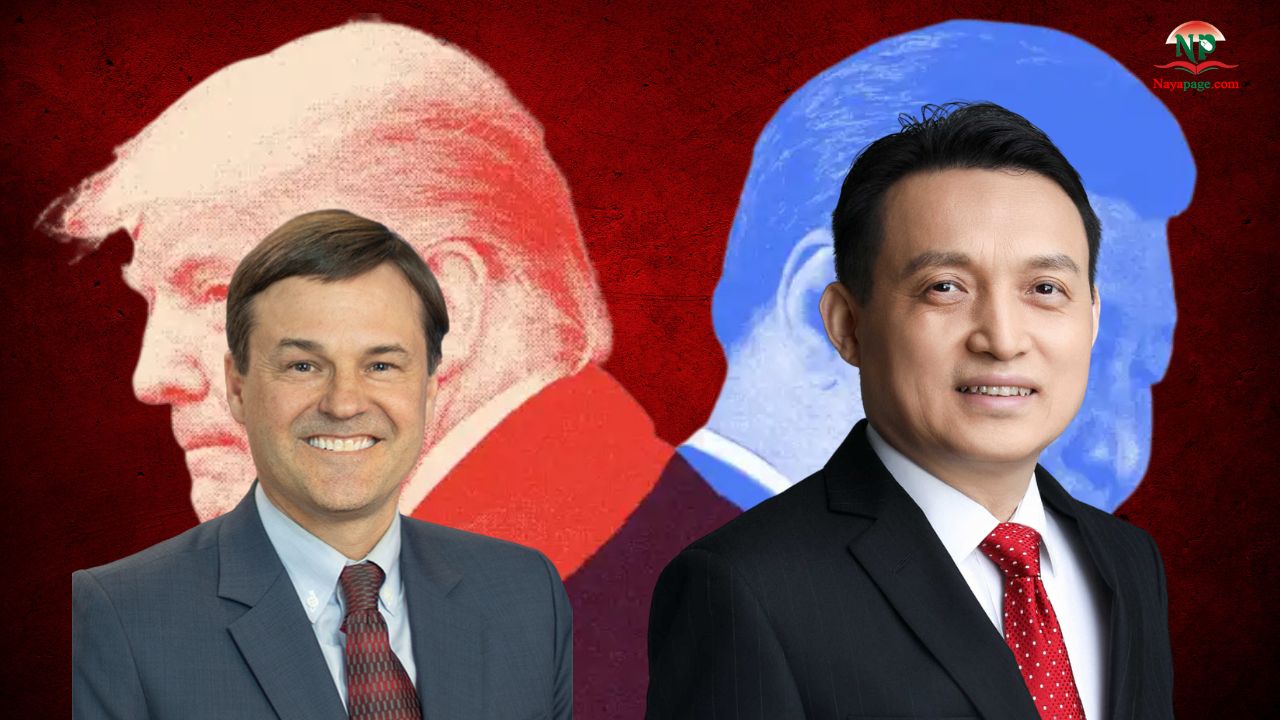

Kathmandu: At a time when the government remains firm on dissolving student organizations, an undeclared competition between China and the United States is underway in Kathmandu to 'school' Nepali youth in line with their respective interests. Both countries have been running annual programs aimed at engaging and shaping young Nepalis through the US-led 'U.S. Youth Council (USYC)' and China’s 'Chinese Embassy Youth Pioneer Program (CNYP).'
The U.S. Embassy in Kathmandu has been operating the U.S. Youth Council every year since 2011. It defines the initiative as 'a platform to build relationships with talented youth in Nepal.'
According to the embassy, the council follows a structured, skill-based learning approach that prioritizes career readiness and employment, helping strengthen youth engagement. It provides members with practical and market-relevant skills to bridge the gap between academic learning and workplace expectations.
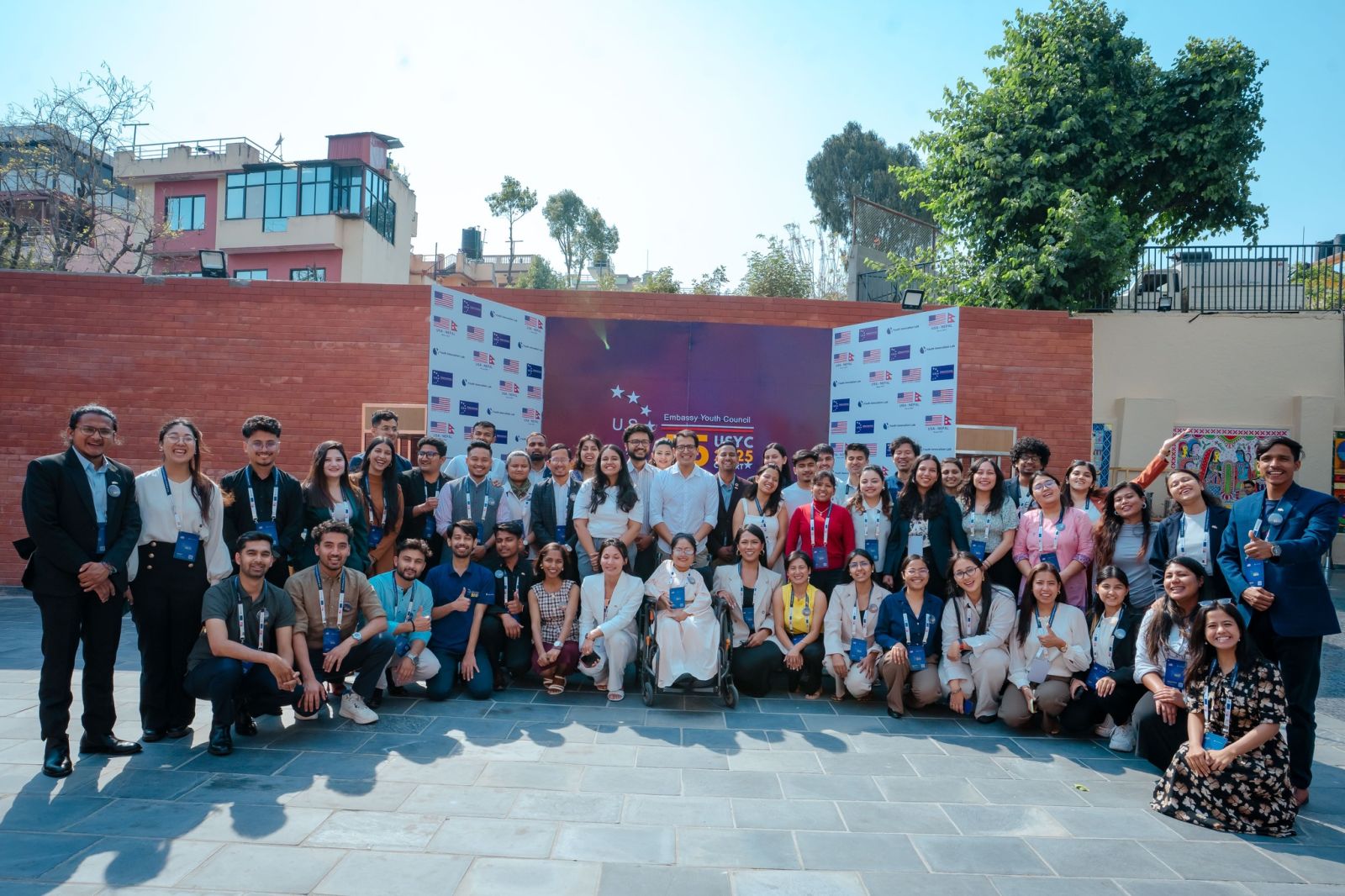 Nepali youth participating in the U.S. Youth Council
Each year, the U.S. Embassy selects 55 young individuals aged 20 to 30 for a series of structured sessions. So far, a total of 825 youths have participated in the program.
The embassy states that participants gain exposure to U.S. public diplomacy programs, Nepal–U.S. relations, the role of social media in promoting social issues, and the responsibilities of youth in building a democratic, prosperous, and inclusive Nepal.
Applications for the 2026 session have already been opened under the slogan “Skill, Build, Launch.” The program focuses on leadership development, practical skills, and professional capacity building. Participants are trained in business communication, digital marketing and personal branding, job search strategies, LinkedIn optimization, and AI-assisted résumé building. The deadline to apply was May 5, 2026.
However, some participants argue that regardless of how the embassy defines the program, its underlying objective is to 'school' Nepali youth in alignment with U.S. interests. One participant said, 'Just as political parties produce cadres through student organizations, this is a factory to produce their own cadres.'
They liken it to how parties like UML or Nepali Congress use student wings to build loyal supporters, claiming the USYC functions similarly for the United States. “You can understand USYC as a sister organization of the U.S. in Nepal,” they said.
The embassy, however, maintains that the program results in higher confidence among participants, stronger career readiness, and enhanced ability to secure and sustain meaningful employment both domestically and globally.
The embassy also runs various activities through its alumni network, which now includes 825 members. According to senior officials at the Ministry of Foreign Affairs, this network is being used as a form of “soft power.” Studies have also suggested that participants from the program played a significant role in the “Gen Z movement” held on September 23 and 24.
China also active
Meanwhile, the Chinese Embassy in Kathmandu launched the “Chinese Embassy Youth Pioneer Program” last year, describing it as a long-term diplomatic initiative to engage with Nepal’s new generation. The program targets individuals aged 22 to 34.
According to the embassy, participants are involved in leadership training, policy and social issue discussions, workshops, and study visits.
Regarding eligibility, the embassy states that the program is open to young professionals, activists, and leaders from diverse fields such as business, politics, sociology, and culture—individuals committed to driving transformative change in Nepal’s economic growth and social development.
The embassy emphasizes inclusivity, encouraging applications from diverse groups to ensure broad representation of Nepali society.
In its call for applications this year, the Chinese Embassy described the initiative as one aimed at empowering young and patriotic leaders in Nepal through civic engagement, cultural exchange, and professional development. It seeks to build a network of dynamic individuals committed to becoming “game-changers” in Nepal’s progress.
The program outlines three main objectives:
- Leadership development: Enhancing leadership skills through specialized training, workshops, and visits.
- Empowering social progress: Promoting innovation, ideas, and policies to drive economic and social development, and fostering transformative capabilities for sustainable prosperity.
- Community engagement: Encouraging participants to implement community-based projects addressing local challenges and needs.
Interested Nepali youth professionals, social activists, and individuals from various sectors can apply. The application deadline is May 17, 2026. According to the embassy, candidates will be evaluated based on their alignment with the program’s objectives, with 10 to 20 participants selected.
Selected candidates will engage in program activities, training, and networking opportunities for one year, after which they will join an alumni network offering continued collaboration and opportunities.
According to the Ministry of Foreign Affairs, these programs are being closely monitored. However, a senior official stated that the embassies have not been fully transparent regarding the details of participation and objectives.
'“Whatever names or purposes are presented publicly, the core intent is to ‘school’ talented Nepali youth in their favor,” the official said. “They are later used as instruments of soft power as needed. It’s almost an open secret.'
Experts in foreign affairs have also expressed concerns, stating that such programs raise serious questions.

2026-08-30-20-38-36.jfif)