.png)
Nepal–China Coordination Underway in Response to Border Disaster: Maoming
'Even with major damage on the Chinese side, coordination has begun to support Nepal'



KATHMANDU, Nepal — Chinese Ambassador to Nepal Zhang Maoming has said that China has begun immediate coordination to provide emergency supplies and financial assistance to Nepal despite suffering significant damage on its own side of the border following the devastating disaster in the Rasuwagadhi–Gyirong border region.
In an interview with NTV World, Ambassador Zhang said China stands firmly with Nepal at this difficult time and will continue to provide all possible support and assistance.
“China will continue to closely monitor the developments and do its utmost to provide all possible support and assistance,” Zhang said, expressing deep condolences to those who lost their lives and sympathy to their bereaved families, as well as to the Government and people of Nepal.
Preliminary account links disaster to earthquake, ice avalanche
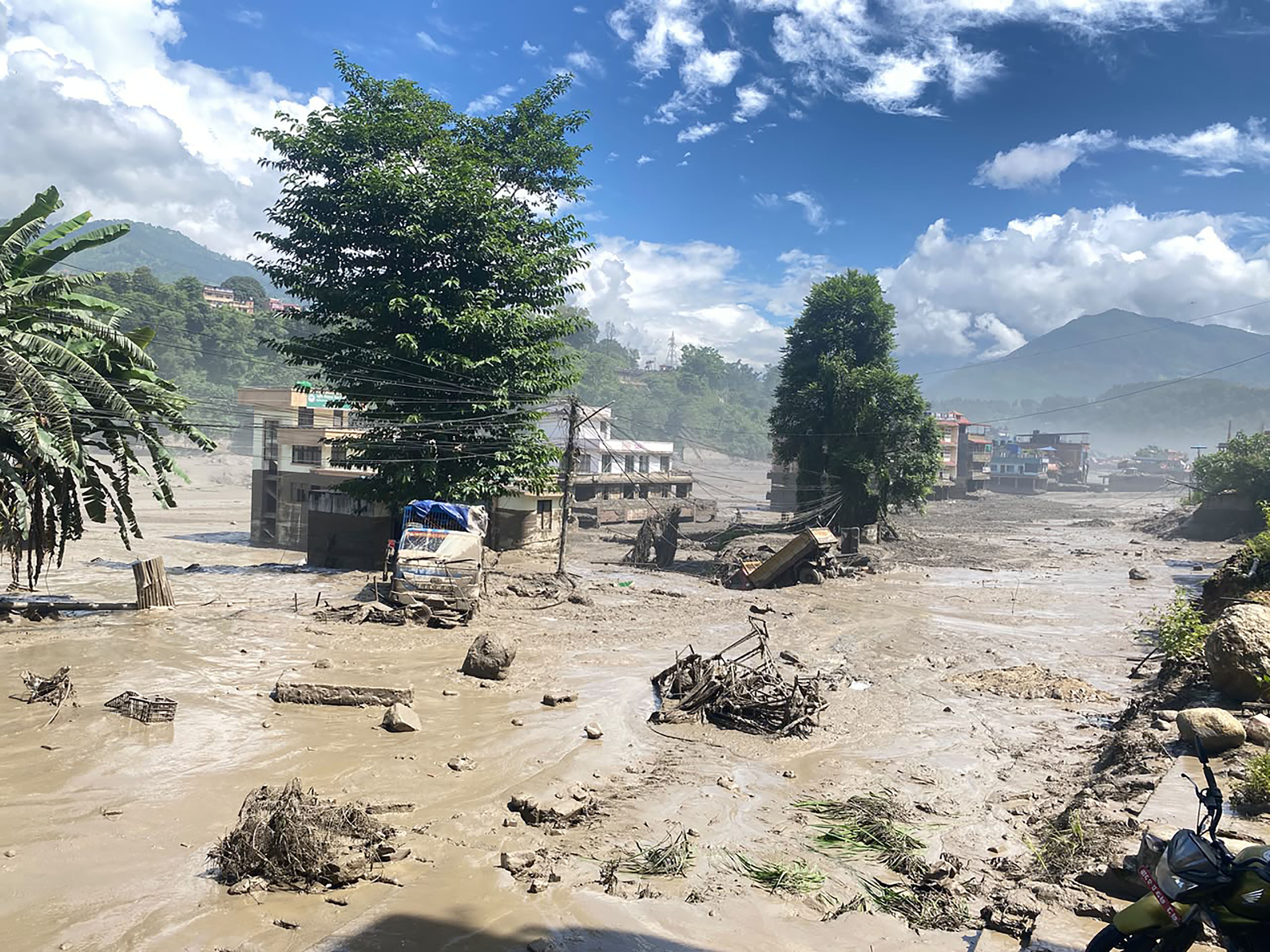
According to Zhang, preliminary information available to the Chinese side indicates that an earthquake occurred on the Nepali side on Thursday morning, triggering an ice avalanche followed by mudslides.
The chain of events caused significant casualties and left people missing on both sides of the Nepal–China border in the Gyirong–Rasuwagadhi area, he said. Zhang emphasized that the assessment was based on preliminary information and that further assessment would be required to establish the full circumstances and extent of the disaster.
China activates emergency response mechanism
The ambassador said the Chinese Embassy in Nepal immediately activated its emergency response mechanism following the disaster. The embassy assessed the situation of Chinese nationals and enterprises in the affected areas and requested the Nepali government and relevant authorities to make every effort to conduct search-and-rescue operations.
A working team was also dispatched to the affected area to coordinate and facilitate rescue efforts on the ground, Zhang said. Despite significant losses on the Chinese side of the border, China has already begun coordinating the provision of emergency supplies and cash assistance to Nepal, he added.
Chinese vice premier leads response in Tibet
Zhang said Zhang Guoqing, a member of the Political Bureau of the Communist Party of China Central Committee and Vice Premier of the State Council, had travelled to Xizang to guide rescue and disaster-response efforts.
Relevant Chinese authorities, including the Ministry of Foreign Affairs, Ministry of Water Resources, China Meteorological Administration and Ministry of Emergency Management, along with authorities in the Xizang Autonomous Region, have established coordination mechanisms with their Nepali counterparts.
The mechanisms are being used to coordinate disaster assessment, search and rescue, and follow-up response measures, while rescue plans are being expedited, according to the ambassador.
President Xi orders priority for search and rescue
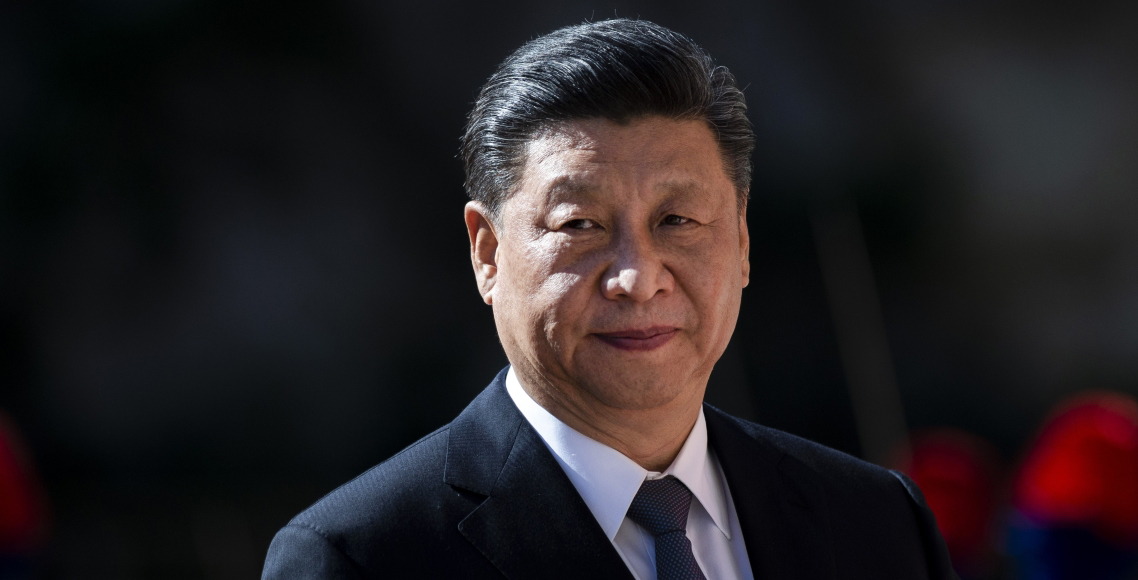
Zhang said Chinese President Xi Jinping had attached great importance to the disaster and issued instructions prioritizing the search for and rescue of missing people, relocation and shelter for those at risk, prompt medical treatment for the injured and efforts to minimize casualties.
Xi also called for stronger monitoring and early-warning systems, science-based rescue operations and measures to prevent secondary disasters, Zhang said. The ambassador also praised the response led by the Nepali government and relevant authorities, as well as the resilience and efforts of the Nepali people.
China and Nepal urged to strengthen cross-border disaster cooperation
Looking beyond the immediate crisis, Zhang said the disaster underscored the need for Nepal and China to strengthen cooperation in disaster prevention, mitigation and emergency management. He identified three priority areas for enhanced bilateral cooperation.
The first is information sharing, monitoring and early warning, particularly in meteorology, hydrology and geological disasters. The two countries should improve mechanisms for sharing information on cross-border disasters and work toward early detection, early warning and rapid response, he said.
The second is emergency communication, coordination and institutional cooperation. The two sides should further strengthen mechanisms for coordinated responses and joint rescue operations in the event of sudden disasters.
The third is capacity building, including personnel training, technical exchanges and emergency supplies, while strengthening disaster preparedness and response capabilities at the local level.
‘China stands ready to support Nepal’
Zhang described Nepal and China as close neighbours connected by mountains and rivers, emphasizing the traditional friendship and cooperation between the two countries.
“China stands ready to continue providing support and assistance to the best of its ability, as needed by Nepal,” Zhang said. He added that the two countries should work together to strengthen their capacity to respond to natural disasters and better protect the lives and property of people in both Nepal and China.
The ambassador’s remarks come as authorities on both sides of the border continue search-and-rescue operations and assess the extent of damage caused by the disaster in the mountainous border region.
1. Does the embassy have any information on how the floods originated?
First of all, I would like to underline that the Chinese side is deeply saddened by this very unfortunate natural disaster. We extend our deepest condolences to those who lost their lives and our sincere sympathies to the bereaved families, as well as to the Government and people of Nepal. We stand strong with Nepal at this difficult time. China will continue to closely monitor the developments and do its utmost to provide all possible support and assistance. We have been working closely with the Nepali side and supporting each other in responding to the disaster. I’m sure by joining hands together, we will overcome the difficulties, and rebuild our beautiful homes.
Based on preliminary information currently available, an earthquake occurred on the Nepali side this morning, triggering an ice avalanche and subsequently mudslides, which caused significant casualties and left people missing on both the Nepali and Chinese sides of the Gyirong-Rasuwagadhi border region.
2. How has been the coordination between the two governments on the matter?
Chinese President Xi Jinping has attached great importance to the disaster and issued important instructions, emphasizing that the top priority is to make every effort to search for and rescue missing persons, relocate and provide shelter for people at risk, promptly treat the injured, and minimize casualties to the greatest extent possible. President Xi stressed the need to strengthen monitoring and early warning, ensure science-based rescue efforts, and prevent secondary disasters.
Following the disaster, the Chinese Embassy in Nepal immediately activated its emergency response mechanism, assessed the situation of Chinese citizens and enterprises in the affected areas in Nepal, and requested the Nepali government and relevant authorities to make every effort to carry out rescue operations. The Chinese Embassy also promptly dispatched a working team to the affected area to coordinate and facilitate rescue efforts on the ground. Despite suffering significant losses on the Chinese side of the border, the Chinese side has immediately started coordination for providing emergency supplies and cash aid to Nepal.
At present, H. E. Zhang Guoqing, member of the Political Bureau of the CPC Central Committee and Vice Premier of the State Council of China, is leading officials from relevant ministries to Xizang to guide rescue and response efforts. Relevant Chinese authorities, including the Ministry of Foreign Affairs, Ministry of Water Resources, China Meteorological Administration, Ministry of Emergency Management and the Xizang Autonomous Region authorities, have established coordination mechanisms with their Nepali counterparts and are strengthening coordination on disaster assessment, search and rescue, and follow-up response, while expediting the formulation of rescue plans.
I would also like to take this opportunity to commend the strong response and effective efforts led by the Nepali government and relevant authorities, as well as the resilience and tremendous efforts made by the Nepali people.
3. How can the two countries further collaborate on minimizing the impact of such disasters in future?
Both Nepal and China can learn a lot from responding to this disaster. It is imperative for China and Nepal to further strengthen cooperation in disaster prevention, mitigation and emergency management, and continuously enhance our capacity to respond to natural disasters. At least three things can be done:
-
First: Our two sides can strengthen information sharing, monitoring and early warning in areas such as meteorology, hydrology and geological disasters, improve mechanisms for sharing information on cross-border disasters, and strive to achieve early detection, early warning and early response.
-
Second: Our two sides can strengthen communication, coordination and institutional development in emergency rescue, and further improve mechanisms for coordinated response and rescue cooperation in the event of sudden disasters.
-
Third: Our two sides can strengthen personnel training, technical exchanges and emergency supplies support, and enhance disaster prevention, mitigation and emergency response capabilities at the local level too.
Nepal and China are close neighbours connected by mountains and rivers. The two countries have enjoyed traditional friendship and cooperation. China stands ready to continue providing support and assistance to the best of its ability, as needed by Nepal, to jointly enhance our two countries’ capacity to respond to natural disasters and better protect the lives and property of the people of Nepal and China.
2026-08-27-18-44-46.jpg)